
Why Freeze-Thaw Cycles Can Be Tough on Concrete
Concrete is known for its strength and durability, which is why it is commonly used for garage floors, patios, walkways, driveways, and other exterior surfaces. However, even the toughest concrete faces challenges over time. In Colorado, one of the biggest threats to concrete longevity is the freeze-thaw cycle.
Many homeowners notice cracks, surface deterioration, or other concrete problems and assume they appeared suddenly. In reality, years of exposure to changing temperatures often contribute to the damage. Understanding how freeze-thaw cycles affect concrete can help homeowners recognize the importance of protecting their surfaces before problems become more severe.
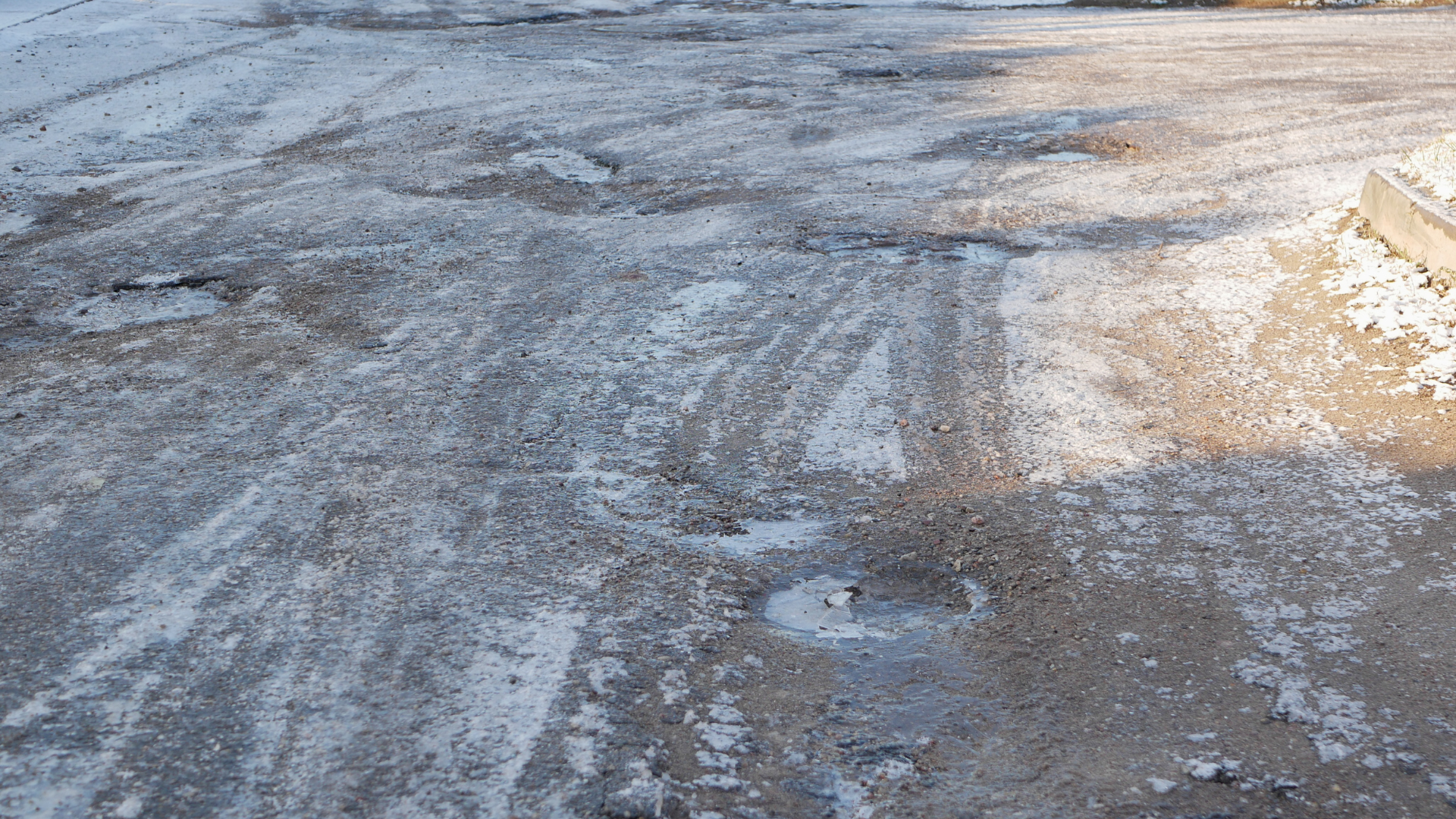
What Is a Freeze-Thaw Cycle?
A freeze-thaw cycle occurs whenever temperatures fluctuate above and below freezing.
During the warmer part of the cycle, water from rain, snow, irrigation, or melting ice can enter small pores, cracks, and imperfections in the concrete. When temperatures drop below freezing, that water turns to ice.
As water freezes, it expands . This expansion places pressure on the surrounding concrete. When temperatures rise again, the ice melts and the process repeats itself.
One cycle may not create noticeable damage, but hundreds of cycles over many years can gradually weaken the surface.

Concrete Is More Porous Than Many People Realize
Although concrete appears solid, it contains tiny pores and microscopic spaces that can absorb moisture.
This natural porosity is one reason freeze-thaw damage occurs in the first place. Water does not need a large crack to enter the concrete. Even small openings can allow moisture to penetrate beneath the surface.
As freezing and thawing continue, the repeated expansion and contraction create stress that may contribute to cracking, scaling, spalling, and other forms of deterioration.
The process often begins long before visible damage appears.
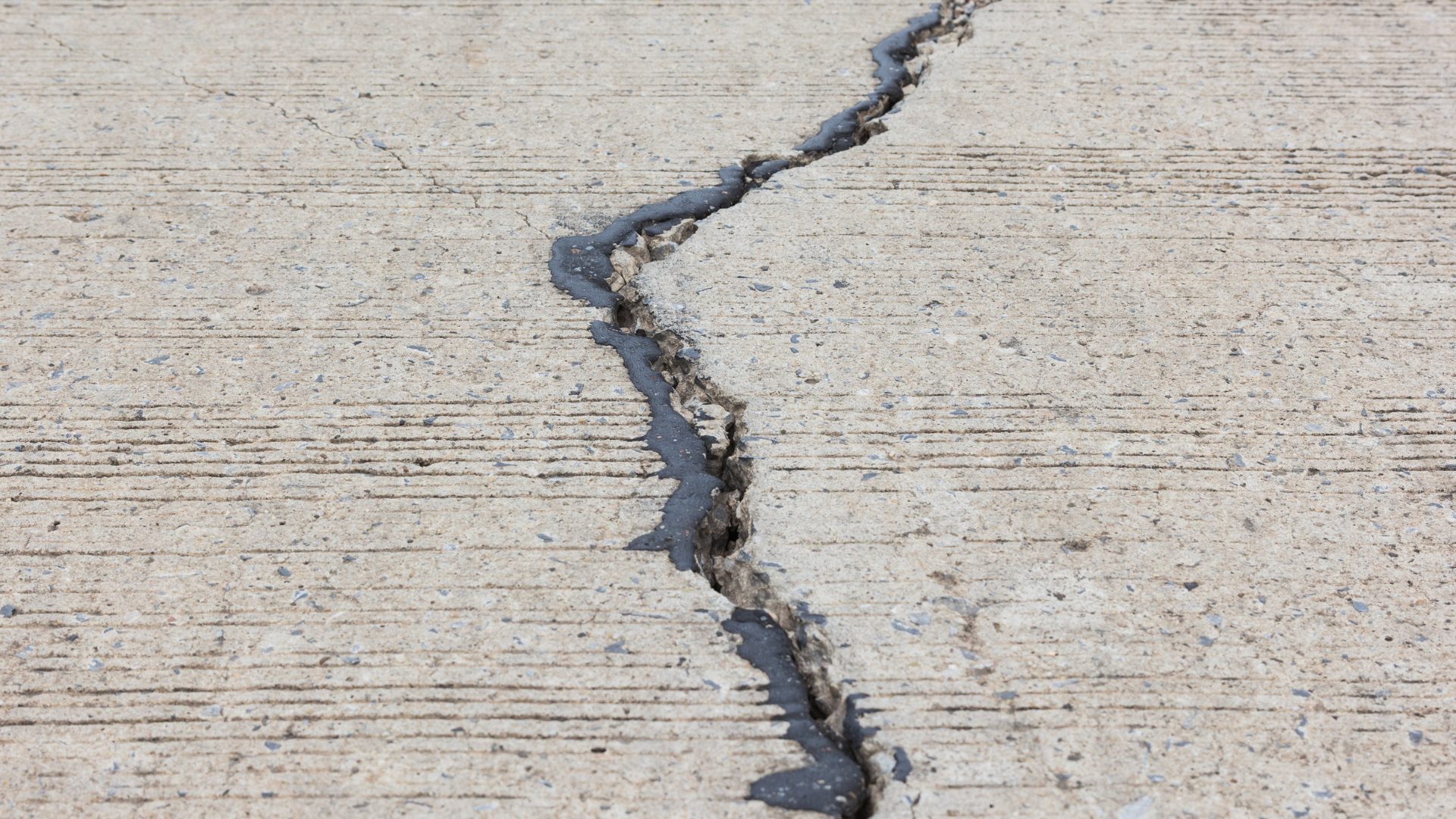
Small Cracks Can Become Larger Problems
One of the most common effects of freeze-thaw exposure is crack expansion .
A minor crack may seem harmless at first. However, when water enters that crack and repeatedly freezes, the pressure can gradually widen the opening. Over time, what started as a small cosmetic issue may become a much larger repair concern.
This is one reason early intervention is often important when concrete surfaces begin showing signs of wear.
Addressing minor issues before they worsen can help preserve the overall condition of the concrete.
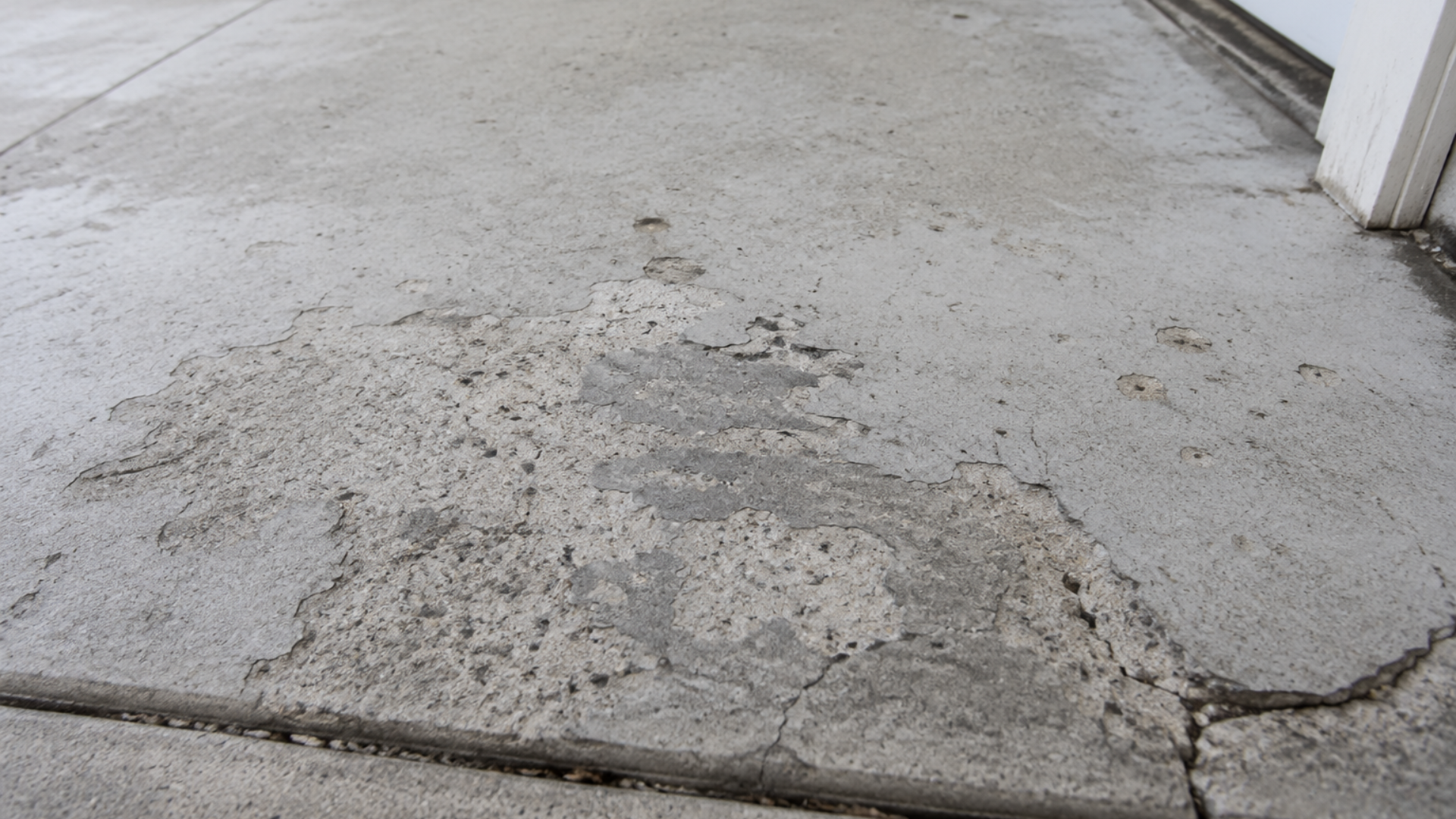
Surface Damage Can Develop Gradually
Freeze-thaw cycles do not always create dramatic cracks immediately. In many cases, deterioration begins at the surface .
Homeowners may notice flaking, chipping, scaling, or spalling. These conditions occur when the outer layer of concrete begins breaking down due to repeated exposure to moisture and temperature fluctuations.
Once surface damage develops, additional moisture can often penetrate more easily, accelerating the deterioration process.
The result is a cycle that becomes increasingly difficult to stop without professional attention.
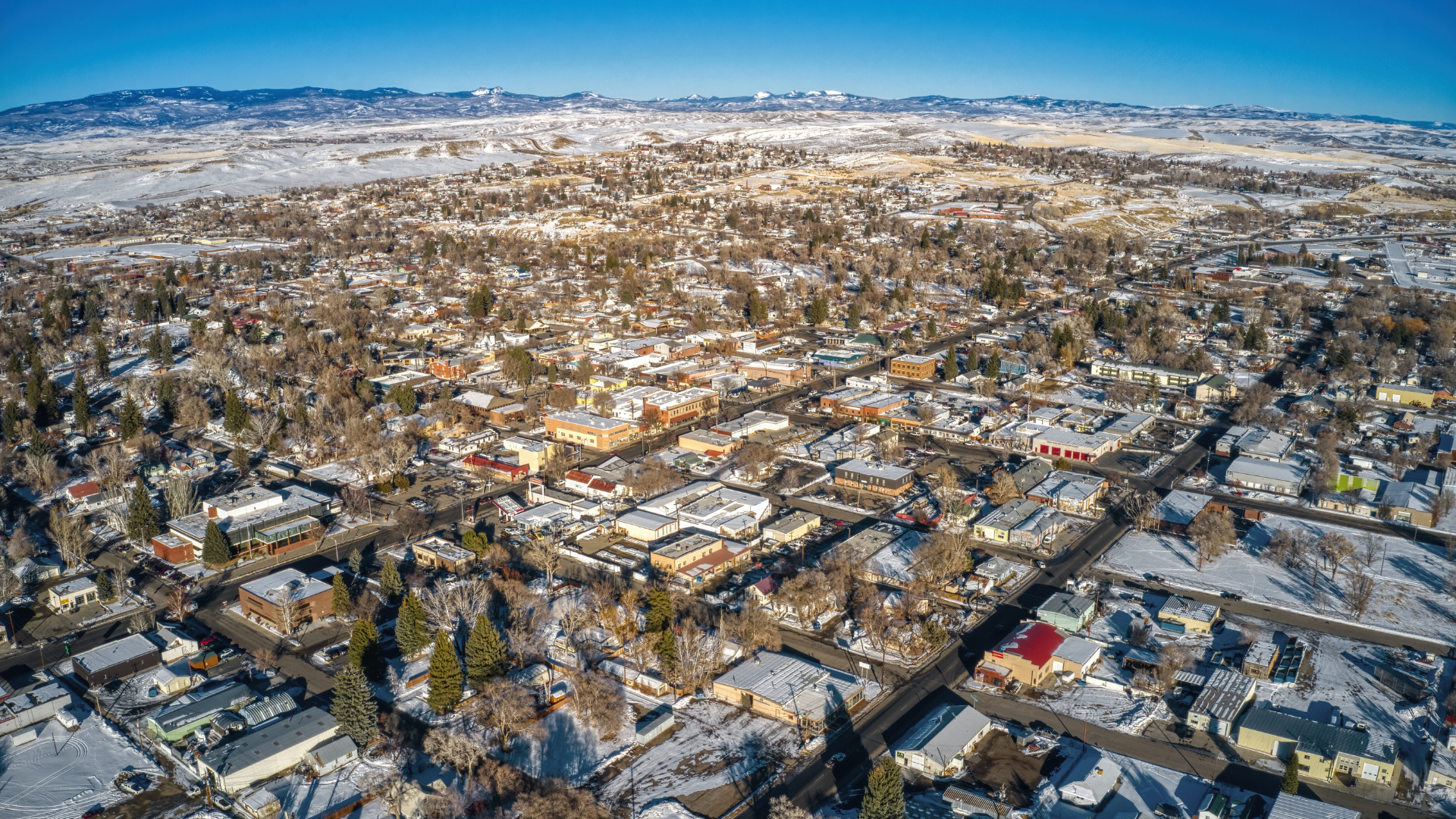
Colorado’s Climate Creates Unique Challenges
Colorado’s weather patterns can make freeze-thaw exposure particularly challenging.
It is not uncommon for temperatures to fluctuate significantly within a short period of time. A sunny afternoon may be followed by freezing overnight conditions, creating ideal circumstances for repeated freeze-thaw activity.
These frequent temperature swings place additional stress on outdoor concrete surfaces throughout the year.
As a result, homeowners often experience concrete deterioration sooner than they might expect if surfaces are left unprotected.
Protection Helps Preserve Concrete
While freeze-thaw cycles cannot be eliminated, homeowners can take steps to help protect their concrete.
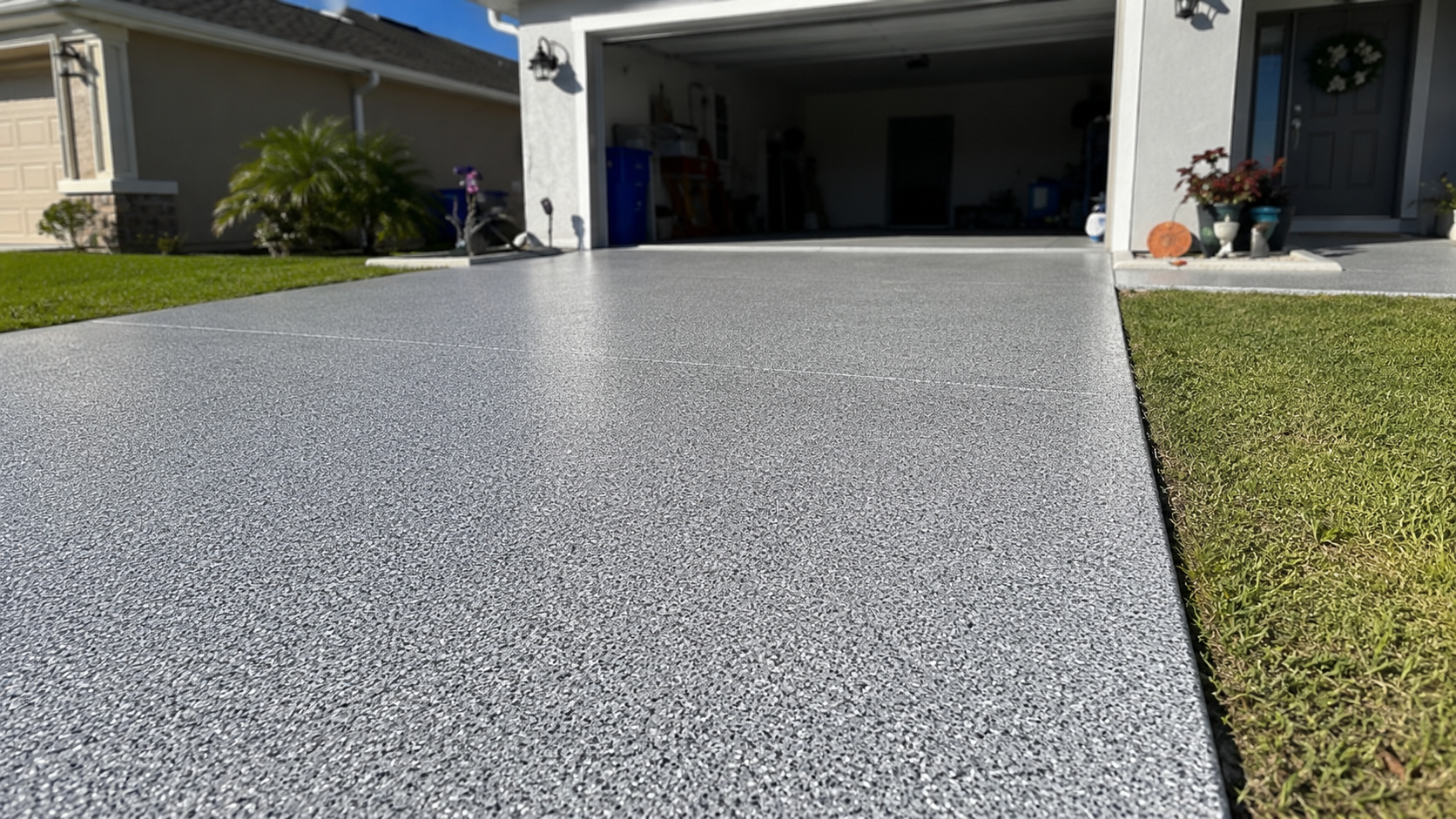
Professional coating systems create a protective barrier that helps reduce moisture intrusion and shields the concrete from many environmental stressors. By limiting water penetration, these systems help address one of the primary causes of freeze-thaw damage.
Protective coatings can also help preserve appearance while supporting long-term durability.
Investing in Long-Term Concrete Protection
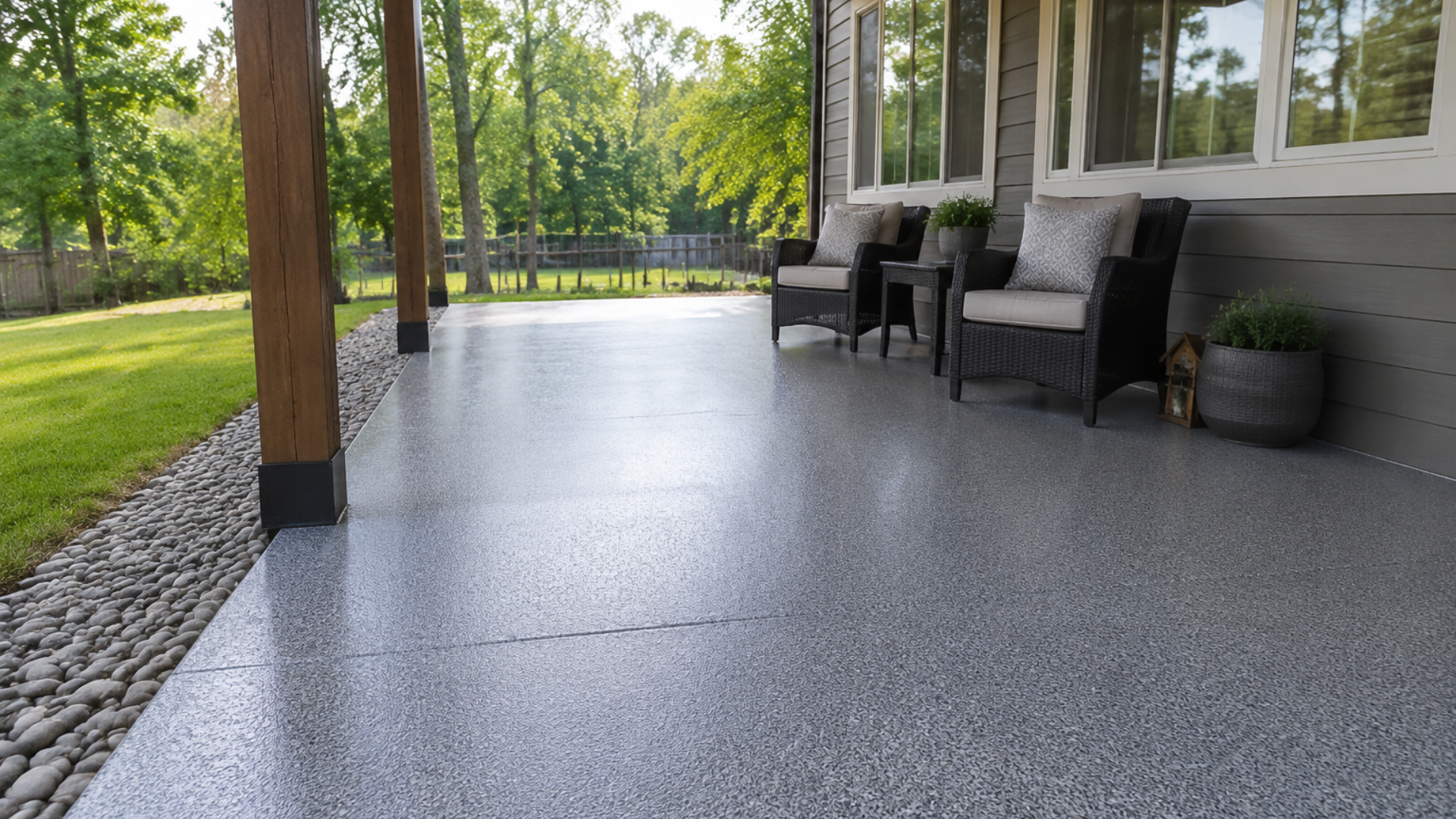
Concrete surfaces represent a significant investment in a property’s functionality and appearance. Whether it is a garage floor, patio, driveway, or walkway, protecting that investment can help reduce future maintenance concerns and extend the life of the surface.
PROtective Floor Coatings of Southern Colorado Inc. helps homeowners safeguard their concrete through professionally installed coating systems designed to withstand Colorado’s demanding climate. By creating a durable barrier against moisture and environmental exposure, these systems help concrete remain attractive and functional for years to come.
Freeze-thaw cycles are a reality of life in Colorado, but they do not have to determine the lifespan of your concrete. With proper protection and maintenance, homeowners can help their surfaces stand up to the challenges of changing seasons.
- Concrete is one of the most durable building materials available, but even the strongest concrete is not immune to damage over time. One of the most common forms of concrete deterioration is spalling—a condition that can affect the appearance, safety, and longevity of concrete surfaces. Whether it occurs on a residential garage floor, commercial walkway, warehouse floor, or industrial workspace, recognizing the early signs of spalling can help property owners protect their investment before the damage becomes more extensive. At PROtective Coatings of Southern Colorado, we help homeowners and businesses preserve concrete surfaces with professional repair solutions and high-performance concrete coating systems designed to improve durability and long-term performance. What Is Concrete Spalling? Concrete spalling occurs when the surface layer of concrete begins to chip, flake, crack, or break away. In its early stages, spalling may appear as small pits or shallow surface defects. As the condition progresses, larger sections of concrete can separate from the underlying slab, leaving rough, uneven areas. While spalling often begins as a cosmetic issue, it should not be ignored. As more of the concrete surface is exposed, the slab becomes increasingly vulnerable to moisture intrusion, additional cracking, and accelerated deterioration.
- Concrete is one of the most durable building materials used in commercial and industrial facilities, but it is not indestructible. Although it appears to be solid, concrete is naturally porous, allowing water, chemicals, oils, and other contaminants to penetrate its surface over time. Without proper protection, this exposure can contribute to staining, surface deterioration, increased maintenance requirements, and a shorter service life. Professional floor coating systems provide an effective barrier that helps protect concrete from the daily challenges faced by commercial and industrial environments. Concrete Is More Vulnerable Than It Appears Many people assume concrete is completely waterproof because of its strength and appearance. In reality, concrete contains tiny pores that can absorb moisture and contaminants. Over time, repeated exposure to water, oils, cleaning chemicals, and industrial materials may affect the surface and contribute to gradual deterioration . Protecting the concrete early helps preserve both its appearance and structural integrity for years to come.
- For many homeowners, the garage serves as much more than a place to park the car. It often becomes a workshop, a home gym, a storage area for seasonal decorations, sporting equipment, tools, lawn care supplies, and countless other household items. Without an effective storage system, however, even a spacious garage can quickly become cluttered and difficult to use. Custom garage cabinetry offers a practical solution by creating organized, durable storage that maximizes every square foot while giving your garage a clean, professional appearance. A Garage Designed Around Your Lifestyle Every homeowner uses their garage differently . Some need dedicated storage for tools and automotive supplies, while others require space for camping gear, bicycles, holiday decorations, or recreational equipment. Custom cabinetry allows your storage solution to be tailored specifically to your needs instead of forcing you to adapt to standard shelving or prefabricated cabinets. By designing cabinetry around the way you use your garage, everything has a designated place, making it easier to stay organized throughout the year.
- A safe workplace starts from the ground up. Every day, employees, customers, vendors, and visitors rely on flooring that provides secure footing, withstands heavy use, and contributes to an organized work environment. While flooring may not always receive the same attention as machinery or safety equipment, it plays an important role in workplace safety and facility management. Professional floor coating systems do much more than improve appearance. They help protect concrete surfaces, create safer walking conditions, and support broader workplace safety initiatives. Although installing a floor coating alone does not guarantee compliance with regulations established by agencies such as the Occupational Safety and Health Administration ( OSHA ), it can be an important part of a comprehensive safety and maintenance program. Safer Walking Surfaces One of the leading causes of workplace injuries involves slips, trips, and falls. These incidents can occur in warehouses, manufacturing facilities, automotive shops, retail spaces, and many other commercial environments. Professionally installed floor coating systems can be customized with textured or slip-resistant finishes that improve traction in areas where moisture, dust, or frequent foot traffic may create hazards. Selecting the appropriate surface for a facility’s operating conditions helps provide employees with more secure footing while supporting everyday workplace safety. The right flooring system should be matched to the environment and the specific activities taking place within the facility.
- Garage floors, patios, basements, and commercial concrete surfaces are exposed to constant wear. Vehicle traffic, foot traffic, moisture, temperature changes, and everyday use all place demands on concrete over time. While bare concrete is strong, it is not immune to staining, surface wear, or gradual deterioration. That is why many homeowners and business owners choose to protect their concrete with professionally installed floor coating systems. Among today’s most popular options are polyaspartic floor coatings, which are known for their durability, attractive appearance, and long-term performance. But what makes polyaspartic coatings stand out? The answer lies in a combination of advanced materials, professional installation, and long-lasting protection.
- Concrete is often viewed as one of the most durable materials used in residential construction. It forms the foundation of driveways, patios, walkways, garages, and basements throughout Colorado and across the country. Because concrete is so strong, many homeowners assume it requires very little attention after installation. In reality, bare concrete is constantly exposed to conditions that can affect its appearance and longevity. While it may seem like a low-maintenance surface, unprotected concrete often requires more upkeep than homeowners expect. Understanding the challenges concrete faces can help property owners make informed decisions about protecting and preserving their investment. Concrete Is Not Completely Solid One of the biggest misconceptions about concrete is that it is completely impermeable . Although concrete appears solid, it contains countless microscopic pores that can absorb water, dirt, oils, and other contaminants. This porous nature makes concrete vulnerable to staining, discoloration, and moisture-related damage over time . Once substances penetrate the surface, cleaning them can become much more difficult. In some cases, stains may remain visible even after extensive scrubbing. This is one reason bare concrete often requires ongoing maintenance to keep it looking its best.
- When homeowners consider upgrading a garage floor, patio, basement, or other concrete surface, appearance is often one of the first things they notice. A professionally coated floor can look clean, polished, and visually impressive. However, the true value of a quality floor coating system goes far beyond aesthetics. Modern floor coatings are designed to help protect concrete from everyday wear, environmental exposure, and long-term deterioration. While homeowners may see the finished surface, there is a great deal of science behind what makes a floor coating durable and effective. Understanding how these systems work can help property owners appreciate why professional installation and quality materials matter. Concrete Is Strong, But Not Invincible Concrete is one of the most widely used construction materials because of its strength and durability. However, concrete is not immune to damage. Over time, concrete surfaces can develop cracks, staining, surface wear, moisture-related issues, and other forms of deterioration. Garages, patios, and other high-use areas are especially vulnerable because they experience constant exposure to traffic, weather, and environmental stress. A floor coating system helps create an additional layer of protection between the concrete and the conditions that contribute to wear.
- When homeowners think about threats to their concrete surfaces, they often focus on heavy foot traffic, vehicle use, moisture, or cracking. While these factors certainly play a role in concrete deterioration, another source of wear is constantly at work every day: sunlight. In Southern Colorado, outdoor surfaces are exposed to intense sunlight throughout much of the year. Patios, walkways, pool decks, driveways, and other concrete surfaces may spend years absorbing ultraviolet (UV) radiation without homeowners realizing the long-term effects. While UV exposure does not typically cause dramatic damage overnight, its impact can accumulate gradually over time. Understanding how sunlight affects outdoor concrete can help homeowners make informed decisions about protecting their property’s surfaces. Southern Colorado Receives Significant Sun Exposure Southern Colorado’s climate is one of the reasons many people enjoy living in the region. However, abundant sunshine also means outdoor surfaces experience prolonged UV exposure throughout the year. Unlike occasional weather events that come and go, sunlight affects concrete almost every day. Because the process happens slowly, many homeowners do not notice changes until years have passed. Over time, UV exposure can contribute to visible aging and surface deterioration that affects both appearance and performance.
- Concrete is one of the most durable building materials used in residential construction. It forms the foundation of driveways, garages, patios, walkways, and basement floors because of its strength and longevity. However, many homeowners assume that concrete is virtually indestructible. While concrete is certainly durable, bare concrete remains vulnerable to a variety of environmental and everyday conditions that can gradually affect its appearance and performance over time. Understanding why concrete deteriorates can help homeowners make informed decisions about protecting and maintaining these important surfaces. Concrete Is Naturally Porous One of the most important things to understand about concrete is that it is porous . Although concrete appears solid, it contains countless microscopic pores that allow moisture and contaminants to penetrate the surface. Over time, these pores can absorb: Water Oil Grease Automotive fluids Dirt and debris De-icing chemicals As contaminants enter the concrete, they may contribute to staining, discoloration, and gradual deterioration. Because this process occurs slowly, many homeowners do not notice the effects until visible damage begins to appear.